HIGHER EDUCATION EMAIL MARKETING AGENCY
Disconnected follow-up, generic email blasts, and missed admissions deadlines cost colleges and universities qualified applicants.

Pearl Lemon Leads USA builds higher education email marketing campaigns around the complete student journey. We create segmented sequences for inquiries, applicants, admitted students, enrolled students, alumni, and donors, with each message connected to the next action your institution needs them to take.
From FAFSA reminders and campus visit invitations to fall semester onboarding and alumni giving, your campaigns receive a clear purpose, defined audience, and measurable conversion point.
“Meet students where they are, then make the next step easy.”
Whether you represent a community college, private college, state university, graduate school, or online program, we help your team communicate with greater relevance across the United States.
Email Campaigns Built Around Student Decisions
Every campaign is structured around a defined audience, institutional objective, next action, and reporting metric.
Turn Early Interest Into Qualified Applications
Prospective Student Recruitment Campaigns
Prospective students compare institutions, programs, tuition, financial aid, campus life, and career outcomes before they are ready to apply. A single welcome email cannot answer those concerns or maintain momentum.
We create segmented inquiry-nurture sequences based on program interest, degree level, location, lead source, engagement history, and intended start date. Each sequence can introduce academic options, faculty, student support, campus resources, financial aid information, and application requirements in a logical order.
Campaign components
- Request-for-information follow-up
- Undergraduate and graduate segmentation
- Program-interest sequences
- Domestic and international messaging
- Online and on-campus pathways
- Parent and family communications
- Campus story and student-life emails
- Counselor reply prompts
Primary measurements
- Inquiry-to-application rate
- Program page visits
- Application-start rate
- Counselor replies
- Campus visit registrations
Institutional outcome
More prospective students receive relevant information before interest fades or a competing institution wins their attention.


Recover Incomplete Applications Before Deadlines Pass
Application Completion Email Sequences
Applicants frequently stop when transcripts, recommendations, test scores, residency records, financial documents, or other requirements become unclear.
We map campaign messages to the application stages available in your admissions CRM or student information system. Applicants can receive different reminders according to outstanding actions, program deadlines, residency status, degree type, or application progress.
Campaign components
- Started-application reminders
- Missing-document sequences
- Deadline countdown emails
- Financial aid and FAFSA prompts
- Recommendation reminders
- Application-status updates
- Counselor support messages
- Abandoned-application recovery
Primary measurements
- Application completion rate
- Return-to-application clicks
- Time from start to submission
- Missing-document completion
- Abandonment by application stage
Institutional outcome
Admissions teams spend less time sending repetitive manual reminders while applicants receive clearer guidance.
Convert Admitted Students Into Enrolled Students
Admission, Deposit, and Yield Campaigns
An offer of admission does not secure enrollment. Admitted students may still be comparing tuition, aid, housing, faculty access, career prospects, and campus culture.
We create post-admission email journeys that support the decision between acceptance and matriculation. Content can be segmented for deposited and non-deposited students, specific academic programs, commuter students, residential students, transfer students, and international applicants.
Campaign components
- Admission follow-up
- Deposit deadline reminders
- Financial aid explanations
- Faculty introductions
- Student ambassador stories
- Housing and campus-life information
- Accepted-student event invitations
- Summer melt prevention messages
Primary measurements
- Admit-to-deposit rate
- Deposit completion
- Accepted-student event registration
- Counselor replies
- Deposit-to-enrollment rate
Institutional outcome
Admitted students receive the practical and emotional reassurance needed to move forward.

Fill Campus Events Without Last-Minute Scrambling
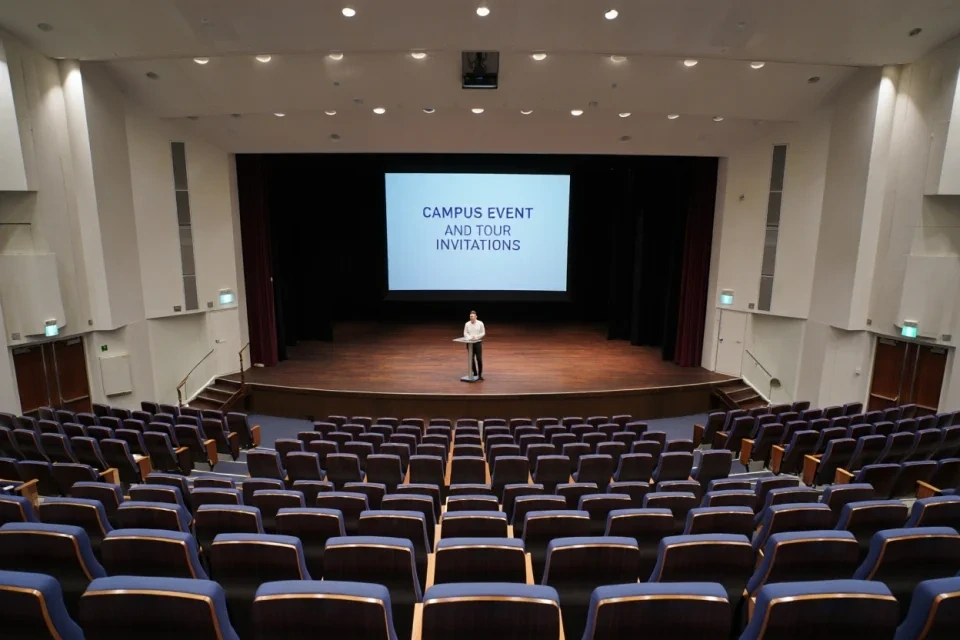
Campus Tour and Event Promotion
Open houses, campus tours, admitted-student days, webinars, commencement events, and alumni gatherings require more than one announcement.
We build event sequences around invitation, registration, attendance, and follow-up. Timing can account for the US academic calendar and periods when attention is limited, including spring break, the Fourth of July, Labor Day weekend, Thanksgiving, winter break, finals week, and commencement season.
Campaign components
- Save-the-date emails
- Audience-specific invitations
- Registration reminders
- Calendar links
- Directions and parking details
- Virtual event access
- Same-day reminders
- No-show follow-up
- Post-event application prompts
Primary measurements
- Registration rate
- Registration-to-attendance rate
- Event page clicks
- No-show rate
- Post-event application activity
Institutional outcome
Your team creates a complete attendance journey rather than relying on a single invitation.
Keep New and Returning Students Moving Forward
Student Onboarding and Retention Communications
Students need clear instructions after deposit, during orientation, before registration, and throughout the academic year. When messages arrive late or from disconnected departments, important actions are missed.
We organize onboarding and retention campaigns around enrollment milestones, registration windows, orientation, advising, tuition dates, campus resources, academic support, and re-enrollment.
Campaign components
- New-student onboarding
- Orientation schedules
- Registration reminders
- Tuition and payment deadlines
- Academic advising prompts
- Student support information
- Re-enrollment sequences
- Stop-out reactivation
- Graduation and commencement communications
Primary measurements
- Orientation completion
- Registration completion
- Re-enrollment rate
- Resource engagement
- Student response rate
Institutional outcome
Students receive clearer next steps across the fall semester, spring semester, and summer term.


Maintain Alumni Relationships Beyond Graduation
Alumni Engagement and Giving Campaigns
Generic newsletters rarely reflect the different relationships graduates have with their institution. Recent graduates, long-term alumni, former athletes, program cohorts, volunteers, and previous donors should not receive identical messaging.
We organize alumni and advancement campaigns according to graduation year, school, program, location, event history, engagement level, interest, and giving behavior.
Campaign components
- Alumni news and updates
- Regional event invitations
- Reunion communications
- Volunteer recruitment
- Career and networking events
- Annual giving campaigns
- Lapsed-donor reactivation
- Donor acknowledgment
- Giving-day sequences
Primary measurements
- Alumni click rate
- Event registration
- Donor participation
- Repeat giving
- Average gift value
- Profile update completion
Institutional outcome
Alumni receive communications connected to their history, interests, and relationship with the institution.
Trusted by Colleges and Universities That Needed More Structured Student Communication
Better segmentation, clearer campaign planning, and coordinated messaging help institutions deliver the right information to the right students throughout every stage of the enrollment journey.
“Pearl Lemon Leads helped us reorganize our inquiry and application emails into a much clearer student journey. Prospective students received information based on their program interest, application stage, and upcoming deadlines rather than one broad sequence. Our admissions team also gained a simpler reporting structure for tracking application-return clicks and completed actions. The entire process gave us greater control over a busy fall recruitment cycle.”
“Our admitted-student emails previously came from several departments without a consistent order or message hierarchy. The campaign plan connected financial aid, campus visits, academic programs, housing, and deposit deadlines into one coordinated sequence. That structure helped our teams stay aligned and gave students clearer next steps before National College Decision Day. Communication became easier to manage across admissions, marketing, and student services.”
“Pearl Lemon Leads helped our admissions and marketing teams get on the same page. The new email structure made it easier to communicate with first-generation students, transfer applicants, and adult learners without sending everyone the same content. Como decimos aquí, ‘paso a paso se llega lejos,’ and the campaign gave every student a clearer next step. Our team could finally see how each message supported application, registration, or event attendance.”
Campaign Results That Connect Email to Enrollment
31% More Completed Applications
Recovering prospective students before the deadline
- Campaign Format
- Application completion and missing-document sequence
- Institution Profile
- Regional public university serving undergraduate and graduate students
- Primary Audience
- Applicants who had started but not submitted an application
- Contact Volume
- 8,450 prospective students across 14 academic programs
- Channel Combination
- Email, application portal links, counselor reply routing, and deadline landing pages
Enrollment Challenge
The university generated a healthy number of application starts, but a substantial share of applicants stopped before submitting transcripts, recommendations, residency documents, or financial aid information. General reminders were being sent to the entire applicant pool, regardless of each student’s outstanding requirement.
Campaign Direction
Applicants were grouped by program, application stage, missing item, residency status, and deadline. Each segment received concise messages explaining the exact outstanding action, where to complete it, and whom to contact for support.
Delivery Programme
- Seven-email application recovery sequence
- Missing-document reminders
- FAFSA and financial aid prompts
- Program-specific deadline notices
- Counselor assistance messages
- Direct application-return links
- Weekly performance reporting
Measured Outcome
- Application completion increased from 38% to 49.8%
- 997 additional applications were submitted
- Application-return clicks increased by 42%
- Average completion time fell from 11.4 days to 7.6 days
- Missing-document completion increased by 28%
- Campaign period covered 12 weeks
24% Higher Deposit Conversion
Helping admitted students make a confident enrollment decision
- Campaign Format
- Admission-to-deposit nurture campaign
- Institution Profile
- Private four-year college with approximately 9,000 enrolled students
- Primary Audience
- Admitted students who had not paid an enrollment deposit
- Contact Volume
- 3,260 admitted undergraduate students
- Channel Combination
- Email, campus-event registration, deposit portal, counselor replies, and student ambassador content
Enrollment Challenge
Admitted students received separate messages about financial aid, housing, academics, and campus events, but the communication did not form a connected journey. Many students reached the deposit deadline without receiving answers to the concerns most likely to affect their decision.
Campaign Direction
The audience was segmented by academic school, home state, financial aid status, campus-visit activity, and deposit status. Messaging addressed affordability, faculty access, career outcomes, campus life, housing, and the practical steps required before enrollment.
Delivery Programme
- Nine-email admitted-student sequence
- Financial aid explanation emails
- Faculty and program introductions
- Student ambassador stories
- Accepted-student event invitations
- Housing and orientation guidance
- Deposit deadline reminders
- Non-depositor follow-up
Measured Outcome
- Deposit conversion increased from 26.5% to 32.9%
- 209 additional deposits were recorded
- Accepted-student event registrations rose by 36%
- Deposit portal visits increased by 41%
- Counselor replies increased by 22%
- Deposit-to-enrollment conversion improved by 8.7%
- Campaign period covered 10 weeks before decision day
$184,600 in Tracked Alumni Giving
Replacing one broad fundraising appeal with audience-specific messages
- Campaign Format
- Alumni engagement and annual-giving campaign
- Institution Profile
- Mid-sized US university advancement office
- Primary Audience
- Lapsed donors, non-donors, reunion classes, and recent graduates
- Contact Volume
- 42,800 alumni records across six audience groups
- Channel Combination
- Email, giving pages, reunion registration, alumni profile updates, and volunteer invitations
Advancement Challenge
The university sent the same annual appeal to nearly every graduate, regardless of graduation year, school, location, previous giving, event attendance, or institutional interest. Engagement was declining, and the advancement team had limited information about which stories influenced donations.
Campaign Direction
Alumni were divided by giving history, graduation cohort, academic school, geography, prior event activity, and stated interests. Each audience received different institutional stories, participation requests, event prompts, and donation messages.
Delivery Programme
- Six audience-specific campaign tracks
- Eight-email annual-giving sequence
- Lapsed-donor reactivation messages
- Reunion and regional event content
- Giving-day countdown emails
- Volunteer and mentoring invitations
- Personalized donation-page links
- Post-campaign contribution analysis
Measured Outcome
- $184,600 in tracked gifts
- Donor conversion increased from 1.9% to 2.8%
- 384 lapsed donors made a new contribution
- Average online gift increased from $78 to $96
- Giving-page conversion increased by 34%
- Alumni event registrations rose by 19%
- Unsubscribe rate remained below 0.3%
- Campaign period covered 16 weeks
Find the Gaps in Your Student Email Journey
Bring your current campaign calendar, CRM stages, or admissions workflow. We will identify where follow-up becomes generic, where students lose momentum, and where measurement stops before enrollment.
Higher Education Email Marketing Across the United States
We support colleges and universities across major US education markets while adapting campaigns to each institution’s programs, students, calendar, and enrollment model.
New York and the Northeast
Support inquiry, graduate-program, transfer, alumni, and advancement campaigns for institutions competing across dense college markets in New York, Boston, Philadelphia, and the wider Northeast.
California and the West Coast
Create campaigns for public universities, private colleges, community colleges, online programs, and international recruitment teams serving California and the Pacific region.
Texas and the South Central Region
Build enrollment communications for institutions in Dallas, Houston, Austin, San Antonio, and surrounding markets where population growth creates both opportunity and intense program competition.
Florida and the Southeast
Coordinate messaging for traditional students, adult learners, transfer applicants, online students, and international audiences across Miami, Orlando, Tampa, Atlanta, and the Southeast.
Chicago and the Midwest
Support universities and colleges competing for undergraduate, graduate, professional, transfer, and continuing-education students across Illinois and neighboring states.
National and Multi-Campus Institutions
Create shared campaign standards for institutions serving students across multiple campuses, states, ZIP codes, time zones, and online learning formats.
A Clear Route From Campaign Audit to Reporting
Each stage gives admissions, marketing, CRM, and leadership teams a defined decision point.
Assess
We review your audiences, campaigns, enrollment stages, systems, calendar, reporting, and internal responsibilities.
Map
We connect each audience segment to a lifecycle stage, next action, campaign purpose, and institutional KPI.
Build
We write the copy, organize sequences, prepare templates, establish links, and document required CRM fields and triggers.
Launch
Campaigns are checked for rendering, accessibility, consent controls, links, tracking, mobile presentation, and delivery settings.
Report
We review campaign health, engagement, application activity, enrollment actions, and the next tests your team should run.
Assess
We review your audiences, campaigns, enrollment stages, systems, calendar, reporting, and internal responsibilities.
Map
We connect each audience segment to a lifecycle stage, next action, campaign purpose, and institutional KPI.
Build
We write the copy, organize sequences, prepare templates, establish links, and document required CRM fields and triggers.
Launch
Campaigns are checked for rendering, accessibility, consent controls, links, tracking, mobile presentation, and delivery settings.
Report
We review campaign health, engagement, application activity, enrollment actions, and the next tests your team should run.
Campaign Management Built for Institutional Complexity
Your service should account for multiple audiences, departments, systems, deadlines, and approval requirements.
Full-Lifecycle Campaign Planning
We plan communications across inquiry, application, admission, deposit, enrollment, retention, alumni engagement, and giving.
CRM-Aware Implementation
Campaign logic is mapped around the usable stages, fields, lists, permissions, and integrations available within your existing systems.
Institutional Measurement
Reports move beyond open rates to application completion, deposits, registration, attendance, re-enrollment, and donor participation.
Privacy-Conscious Processes
Campaign planning can account for your institution's FERPA-related procedures, CAN-SPAM obligations, consent requirements, suppression rules, and international data considerations.
Accessible Email Production
Layouts can be prepared with readable type, logical hierarchy, descriptive links, useful alt text, mobile responsiveness, and accessibility considerations.
Cross-Department Coordination
Admissions, enrollment, marketing, advancement, IT, and CRM stakeholders receive clear responsibilities before a campaign reaches production.
US Higher Education and Email Benchmarks
Public benchmarks provide planning context, but your institution’s own baseline should determine campaign targets.
| Market Indicator | Published Figure | Commercial Meaning |
|---|---|---|
| Fall 2025 US Postsecondary Enrollment Change | 1.0% Increase | Institutions still compete for attention even as total enrollment grows. |
| Spring 2025 Total Postsecondary Enrollment | 18.4 Million | Email programs must manage audiences at significant national scale. |
| Spring 2025 Undergraduate Enrollment | 15.3 Million | Undergraduate recruitment remains the largest lifecycle audience. |
| Spring 2025 Graduate Enrollment | 3.1 Million | Graduate prospects require program, career, and schedule-specific communication. |
| Education & Training Email Open Benchmark | 35.64% | Use as directional context, not a promised campaign result. |
| Education & Training Email Click Benchmark | 3.02% | Clicks should be connected to applications, registrations, deposits, or other meaningful actions. |
| Immediate College Enrollment Rate | 62% | A substantial share of high-school completers still does not transition directly into college. |
| 2026–27 FAFSA Forms Processed Without Rejection | 14.7+ Million | Financial aid deadlines and applicant guidance remain major communication events. |
Enrollment Trends
The National Student Clearinghouse reported that total US postsecondary enrollment increased by 1.0% in fall 2025. Its spring 2025 report recorded 18.4 million students, including 15.3 million undergraduates and 3.1 million graduate students.
Email Benchmarks
Mailchimp reports an average 35.64% open rate and 3.02% click rate for education and training campaigns. These figures provide useful context but should never replace your institution's own historical performance data.
Student Recruitment Context
NCES reports that 62% of recent high-school completers enrolled in college immediately after graduation during the measured 2022 period, highlighting the need for consistent recruitment and financial aid communication.
Financial Aid Activity
Federal Student Aid reported more than 14.7 million processed 2026–27 FAFSA applications without rejection, reinforcing the importance of timely aid-related messaging throughout the enrollment cycle.
KPI Focus
Do not assess higher education email marketing from open rates alone. Institutions should monitor:
Book a Call With Our Lead Team
If you’re serious about getting more leads, let’s talk. Whether you’re starting from scratch or scaling an existing system, we’ll show you what’s working right now. No long pitches — just a real conversation about getting results. Hit the button below and grab a time that works for you.
















Questions Higher Education Teams Ask Before Hiring Us
Yes. The first stage is to understand the fields, lifecycle stages, integrations, lists, permissions, and reporting capabilities available in your current setup. Campaign recommendations are then built around what the system can support. Any required development or third-party integration work should be scoped separately before implementation.
Campaigns can be planned around commonly used CRM, marketing automation, and student information system structures. Actual implementation depends on your platform configuration, access permissions, integrations, and internal technical resources. We confirm those requirements during assessment rather than claiming universal compatibility.
Not necessarily. Many institutions need better segmentation, campaign logic, copy, production, and reporting rather than a complete platform migration. We assess whether the current system can support the required work before recommending a change.
Yes, provided the relevant information is available and reliable. Segments may include degree level, program interest, application status, location, residency, campus, intended start date, event activity, financial aid stage, and prior engagement.
We work within the institution’s approved data-handling, access, and privacy procedures. Campaign planning can account for data minimization, permissions, suppression requirements, and limits on sensitive student information. Your institution’s legal, compliance, and IT teams remain responsible for approving policies and regulated-data use.
Campaigns can include unsubscribe management, sender identification, suppression controls, consent considerations, and approved preference handling. International recruitment may introduce GDPR or other jurisdiction-specific requirements, so institutional legal review should be included where necessary.
The engagement can include campaign planning, copywriting, content organization, calls to action, template recommendations, mobile review, and production support. Final scope depends on whether your internal team or our team will build and deploy the campaigns.
Yes. The process is designed to define responsibilities across admissions, enrollment management, marketing, advancement, IT, CRM administration, and leadership. This helps prevent campaign delays and duplicated messages.
Reporting may include delivery, bounce rate, complaint rate, click rate, application activity, event registration, attendance, deposit actions, re-enrollment, donor participation, and other agreed institutional outcomes. The available data depends on tracking and system integration.
Timing depends on the number of audiences, campaigns, approval stages, systems, and integrations involved. A focused audit or single sequence can move faster than a complete lifecycle program. A delivery schedule is agreed after access, scope, and stakeholders are confirmed.
Yes. An audit can review message structure, segmentation, timing, calls to action, accessibility, deliverability, tracking, and lifecycle gaps. Your internal team can then implement the recommendations, or campaign support can be scoped separately.
Yes. Alumni communications can be planned around graduation year, school, location, event history, volunteer activity, giving history, and other approved data. Campaigns may support events, reunions, networking, annual giving, giving days, and donor reactivation.
Turn Your Email Calendar Into an Enrollment System
Your institution does not need more disconnected sends. It needs a clear campaign structure linking the right audience, message, deadline, and next action.
Pearl Lemon Leads USA can review your existing higher education email marketing, identify lifecycle gaps, and map campaigns around recruitment, application completion, enrollment, retention, alumni engagement, and giving.
Schedule a consultation before your next application deadline, open house, fall semester intake, spring enrollment period, or alumni campaign.