Email Marketing for Nonprofits That Builds Donor Loyalty
A supporter joined your list, attended an event or made a first donation. The next email determines whether that interest becomes a lasting relationship.
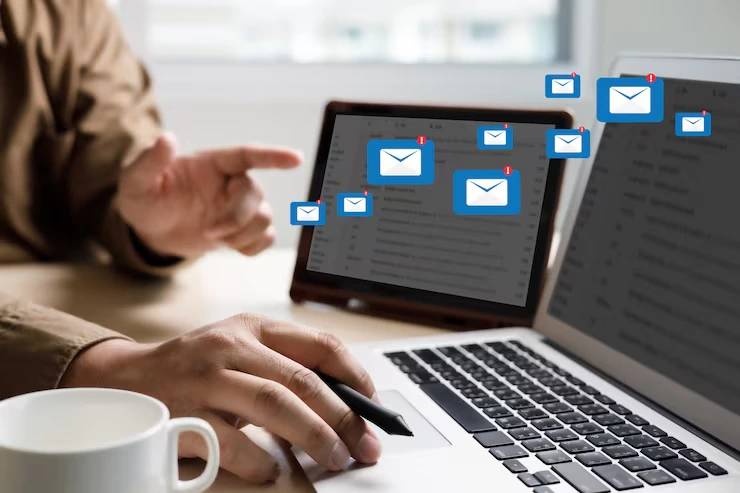
Pearl Lemon Leads USA plans and manages nonprofit email marketing campaigns built around fundraising, donor stewardship, volunteer recruitment and supporter retention. We combine audience segmentation, campaign copy, email design, automation and reporting so your team can communicate with greater consistency without adding another full-time hire.
From GivingTuesday and year-end appeals to Fourth of July community campaigns, first-donor welcome sequences and monthly newsletters, every message gives supporters a clear reason to care and a clear next step to take.
- 6 Core Campaign Services
- 5 Step Delivery Process
- 12 Month Campaign Planning
- 100% U.S.-Focused Messaging
Nonprofit Email Services Built Around Action
Every campaign is connected to a supporter stage, organizational objective and measurable response.
Turn Supporter Data Into Useful Donor Segments
Reach the right person with the right request
Sending the same appeal to every contact wastes attention and can increase unsubscribes. We organize supporters according to donation history, interests, location, volunteer activity, campaign source and engagement level.
Your segmentation plan can include:
- First-time donors
- Repeat donors
- Monthly contributors
- Lapsed supporters
- Event attendees
- Volunteers and advocates
- Members and corporate partners
Campaigns can then speak differently to a new subscriber in Miami, a monthly donor in New York or a former volunteer in Chicago. Better grouping makes fundraising emails more relevant while giving your development team a clearer view of the people behind the database.


Build Fundraising Appeals That Earn the Click
Connect the mission to a specific action
A strong fundraising email does more than describe a worthy cause. It explains the need, shows the supporter’s role and makes the donation process easy to complete.
We plan and produce:
- GivingTuesday email sequences
- Year-end fundraising appeals
- Emergency response campaigns
- Matching-gift campaigns
- Monthly giving promotions
- Capital and annual fund communications
- Memorial and tribute appeals
For major US giving moments, timing matters. A Thanksgiving message should build gratitude before GivingTuesday, while December communications need to account for Christmas travel, Hanukkah observances and the December 31 tax-year deadline. We build the campaign calendar around those behaviors rather than sending isolated emails at the last minute.
Convert First Gifts Into Lasting Relationships
Give every new donor a reason to stay
A donation receipt confirms a transaction. A donor journey begins a relationship.
We create automated welcome and stewardship sequences that acknowledge the gift, introduce the organization, demonstrate impact and guide the donor toward a meaningful second action. That action may be another donation, a monthly contribution, an event registration, a survey response or a volunteer application.
A typical first-donor journey can include:
- Immediate acknowledgement
- Mission and values introduction
- Program impact update
- Supporter preference request
- Second-gift or monthly-giving invitation
Each email is connected to a defined trigger and suppression rule so supporters do not receive inappropriate or repetitive requests.


Bring Lapsed Supporters Back Into the Mission
Rebuild interest before asking for another gift
Inactive donors should not be treated like strangers, but they should not receive the same message as active supporters either.
We create reactivation campaigns that recognize the previous relationship, communicate recent impact and ask the supporter what they want to hear about. Depending on available data, contacts can be grouped by last gift date, donation value, past campaign, location or previous volunteer activity.
The sequence may include:
- Recognition of previous support
- A concise impact report
- A supporter-preference email
- A low-friction action
- A return appeal
- A final list-confirmation message
This approach gives the organization a chance to recover valuable relationships while improving list quality and sender reputation.
Fill Events and Volunteer Programs With Engaged People
Move supporters from interest to attendance
Fundraising is only one part of nonprofit email marketing. Organizations also need people to attend, volunteer, advocate, share and participate.
We manage campaign sequences for:
- Community fundraisers
- Galas and benefit dinners
- Webinars and educational sessions
- Volunteer recruitment
- Membership events
- Advocacy actions
- Local service days
- Fourth of July community initiatives
- Memorial Day and Veterans Day programs
A Houston volunteer should receive the correct location, start time and registration link. A Washington, DC advocate may need a policy briefing and action deadline. A Los Angeles gala attendee may need parking, dress-code and auction information.
Every operational detail should reduce uncertainty and make participation easier.


Keep Supporters Informed With Newsletters and Reporting
Show the work without overwhelming the reader
A nonprofit newsletter should not become an internal report pasted into an email template. It should help supporters understand what changed, who benefited and what they can do next.
We structure newsletters around:
- Program outcomes
- Beneficiary or community stories
- Financial and campaign milestones
- Upcoming events
- Volunteer opportunities
- Donor recognition
- Leadership updates
- One clear primary action
We also report campaign performance in language development directors, communications managers and executive teams can use. Reporting can cover donation conversion, revenue per recipient, second-gift activity, registrations, volunteer applications, click patterns, unsubscribes, complaints and deliverability.
Open rate may be included for context, but it should not be treated as the sole measure of success.
Put Your Supporter Database to Better Use
Your organization may already have the names, donation history and campaign activity needed to improve fundraising performance. The missing piece is often a coordinated plan that turns that information into timely communication.
Nonprofit Email Campaigns Built for US Supporters
We plan campaigns around American giving habits, regional audiences and the dates that shape nonprofit participation.
New York Fundraising Teams
New York nonprofits can segment donors, members and event audiences across the five boroughs while coordinating year-end and gala communications.
Los Angeles Community Organizations
Los Angeles campaigns can account for large geographic service areas, bilingual audiences, local events and mobile-first supporter behavior.
Chicago Development Departments
Chicago nonprofits can coordinate donor stewardship, neighborhood programs, volunteer recruitment and winter fundraising from one campaign calendar.
Houston Volunteer Networks
Houston organizations can use regional segmentation for community programs, emergency appeals, service days and multilingual supporter communications.
Miami Nonprofit Campaigns
Miami nonprofits can combine English and Spanish messaging for donors, volunteers, members and event attendees across South Florida.
Washington, DC Advocacy Groups
Washington, DC organizations can coordinate advocacy updates, fundraising appeals, member communications and deadline-based action campaigns.
From a Fourth of July community appeal to Thanksgiving gratitude, GivingTuesday, Hanukkah, Christmas and the December 31 giving deadline, the US fundraising calendar creates distinct reasons for supporters to respond.
“Cada mensaje debe mostrar el impacto y dar al donante un próximo paso claro.”
From Campaign Review to Measurable Response
A defined five-stage process gives your team clear responsibilities, deadlines and reporting.
Campaign Audit
We review your recent emails, audience structure, automation, platform setup, fundraising calendar and current reporting.
Audience Mapping
We define donor, volunteer, member and supporter groups using the data your organization can reliably maintain.
Campaign Planning
We map messages, dates, offers, approvals and measurement requirements against your organizational calendar.
Production and Launch
Our team prepares campaign copy, design requirements, setup, testing, links, suppression rules and send scheduling.
Reporting and Refinement
We document donations, registrations, clicks, list changes and campaign lessons, then apply them to the next cycle.
Campaign Support Built for Lean Nonprofit Teams
Your team receives clear deliverables, one campaign plan and reporting connected to organizational outcomes.
Donor-Lifecycle Planning
We organize campaigns around the stages between first interest, first donation, repeat support, monthly giving and reactivation.
Fundraising Calendar Discipline
GivingTuesday, Thanksgiving, Christmas, year-end giving and local campaign dates are planned before deadlines become emergencies.
Platform-Neutral Support
Recommendations are based on your contact volume, CRM, internal capacity and campaign requirements rather than a single preferred software vendor.
Measurement Beyond Open Rates
Reporting prioritizes donations, revenue per recipient, second gifts, registrations, volunteer applications, unsubscribes and deliverability.
US Audience Understanding
American English, dollars, national giving dates, regional segmentation and US email requirements are incorporated throughout campaign planning.
Clear Approval Controls
Copy, creative, audiences, links and send dates are reviewed against an approval workflow before a campaign is released.
Campaigns use accurate sender information, clear subject lines, visible opt-out methods and appropriate suppression processes. The FTC’s CAN-SPAM guidance requires truthful header information and non-deceptive subject lines for covered commercial messages. Organizations should obtain legal review for their particular obligations.
The Numbers Behind Nonprofit Email Decisions
Sector benchmarks provide context, but your campaign should be judged against its own objective, audience and previous performance.
| Industry Measure | Latest Reported Figure | Meaning for Nonprofits |
|---|---|---|
| Email-Sourced Revenue | $2.40 per subscriber | M+R reported that nonprofits generated an average of $2.40 in email-sourced revenue per subscriber during 2025. |
| Fundraising Email Return | $58 per 1,000 emails | M+R's 2025 benchmark reported $58 raised for every 1,000 fundraising emails sent. |
| US GivingTuesday Donations | $4.0 billion | GivingTuesday reported $4 billion donated in the United States during GivingTuesday 2025. |
| GivingTuesday Growth | 13% year over year | US GivingTuesday donations increased by 13% compared with 2024. |
| US GivingTuesday Participants | 38.1 million | Participation included financial giving, volunteering, goods and other generosity activity. |
| US GivingTuesday Volunteers | 11.1 million | Volunteer participation increased by 20% during GivingTuesday 2025. |
| Charitable Dollars Raised | 5.0% annual growth | The Fundraising Effectiveness Project estimated that dollars raised increased by 5.0% in 2025. |
| Number of Donors | 3.6% annual decline | The same research estimated that donor numbers declined by 3.6%, increasing the importance of retention. |
| Overall Donor Retention | 43.3% | Fundraising Effectiveness Project reporting placed overall donor retention at 43.3%. |
Industry research indicates that nonprofits generated an average of $2.40 in email-sourced revenue per subscriber in 2025. M+R's preceding benchmark reported $58 raised for every 1,000 fundraising emails sent.
GivingTuesday reported $4 billion in US donations during its 2025 event, a 13% increase from the prior year, alongside 38.1 million US participants and 11.1 million volunteers.
The Fundraising Effectiveness Project estimated that total charitable dollars increased by 5.0% during 2025 while the number of donors declined by 3.6%. It also reported overall donor retention of approximately 43.3%.
Book a Call With Our Lead Team
If you’re serious about getting more leads, let’s talk. Whether you’re starting from scratch or scaling an existing system, we’ll show you what’s working right now. No long pitches — just a real conversation about getting results. Hit the button below and grab a time that works for you.
Why Work With Us
We understand that nonprofits need more than just “marketing.” They need meaningful connections that inspire trust and action. We combine digital expertise with mission-focused strategies to design email campaigns that resonate with your supporters and produce tangible results.
As Featured In:

















Nonprofit Email Marketing Questions
Support can be scoped around platforms such as Mailchimp, HubSpot, Salesforce, Blackbaud, Bloomerang, Neon CRM, Constant Contact and other email systems. The exact work depends on your current setup, access permissions and integration requirements. Platform experience should be confirmed during the initial review.
We can assess how donor, campaign and supporter data should move between systems. The work may include field mapping, tags, lists, campaign triggers, data imports or middleware requirements. Any development work or paid integration tool should be identified separately in the project scope.
Yes. Campaign support can include fundraising concepts, subject lines, email copy, calls to action, reminder messages, thank-you emails and post-campaign stewardship. Your organization remains responsible for approving factual claims, beneficiary details, financial information and campaign promises.
Yes. Planning can cover audience groups, campaign timing, copy, creative requirements, donation links, reminders, gratitude messages and year-end follow-up. GivingTuesday 2026 falls on December 1, so planning should begin well before the Thanksgiving holiday.
Yes. Common journeys include new-subscriber welcomes, first-donor stewardship, monthly-giving onboarding, event follow-up and lapsed-donor reactivation. Each journey requires reliable triggers, clear suppression rules and agreed reporting metrics.
Yes. Responsibilities can be divided among your development staff, communications team, leadership, designers and Pearl Lemon Leads USA. The campaign plan identifies who supplies information, who approves copy and who releases each send.
Useful measures include donation conversion, revenue per recipient, second-gift conversion, monthly-donor enrollment, event registration, volunteer applications, click rate, unsubscribe rate, bounce rate, complaint rate and deliverability. Open rate can provide context but should not be used alone.
Campaign support can include list-quality review, inactive-contact planning, bounce handling, sender-information checks, authentication recommendations and content testing. Technical changes involving SPF, DKIM or DMARC may require access from your domain administrator or IT provider.
Campaigns should use accurate sender details, non-deceptive subject lines, an appropriate physical address and a clear opt-out method. The Federal Trade Commission publishes CAN-SPAM guidance describing these requirements. Pearl Lemon Leads USA does not provide legal advice, and your organization should obtain legal review for its circumstances.
Yes, when the project includes approved translation and cultural review. This can be especially useful for organizations serving English- and Spanish-speaking communities in Miami, Los Angeles, Houston, New York and other multilingual US markets.
The scope can cover campaign planning alone or managed execution that includes copy, creative coordination, setup, testing, scheduling and reporting. The exact responsibilities should be documented before work begins.
Turn More Supporter Interest Into Meaningful Action
Your contact list should do more than receive occasional newsletters. It should help first-time donors stay involved, give volunteers the right information, bring former supporters back and make every major campaign easier to manage.
Pearl Lemon Leads USA can review your current email program, identify the strongest near-term opportunities and create a campaign plan connected to donations, retention, events and participation.